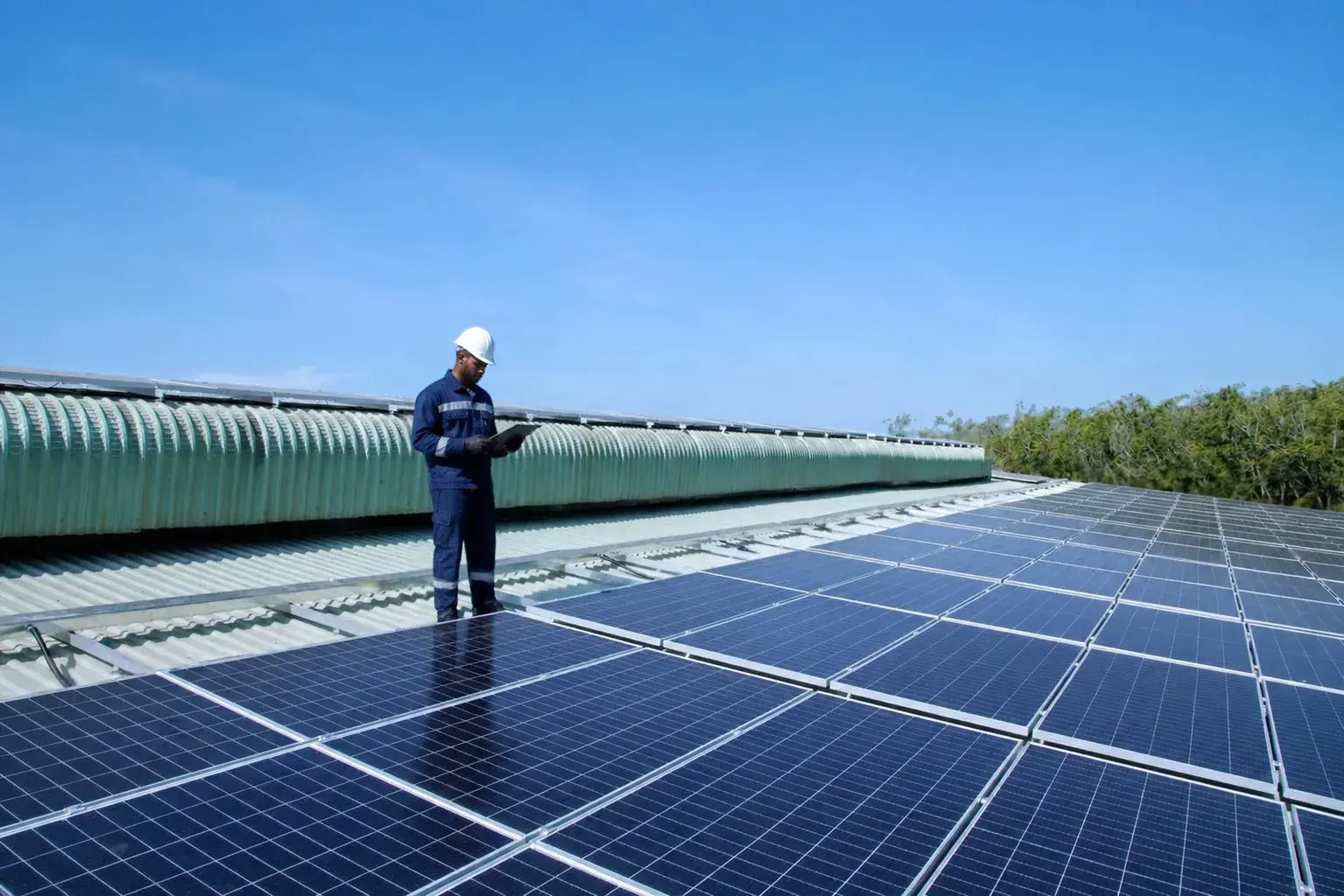
Your electricity bill does not tell you what size solar system you need

John Fox, National Technical Operations Manager at Stage Zero
When people start looking into solar, one of the first figures they look at is often their monthly electricity bill. If you are spending R3,000 a month on electricity, it seems reasonable to assume that should tell an installer roughly what size system you need.
The bill is a useful starting point, but it does not tell us enough. It shows what your electricity use has cost over a period of time without showing how demand changes through the day or what you expect a solar and battery system to carry. Those details can make a significant difference to the system that will work for your home.
The same spend can hide very different electricity use
One of the challenges we see in technical operations is that similar monthly electricity costs can result from very different usage patterns. I see this most clearly when customers arrive at a similar consumption figure in completely different ways. A church, for example, may use very little electricity during the week, while demand rises sharply over the weekend when the kitchen, urns, lighting, and sound equipment are running.
A commercial customer such as an ice manufacturer can have a very different profile. Refrigeration equipment may be off for long periods and draw substantial power during a much shorter cooling cycle.
Over the course of a month, both sites can reach similar consumption totals. Technically, however, the systems have to cope with very different demands.
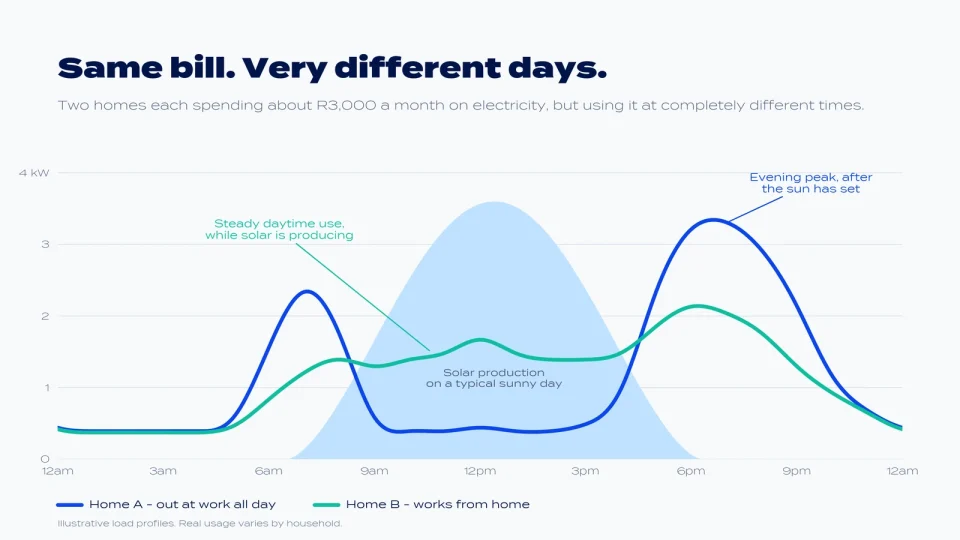
The same principle applies at home. Two households can spend roughly the same amount on electricity while using that electricity very differently. If you size both systems based solely on the bill, you risk missing what happens when demand is highest.
More panels do not automatically mean better performance
I often see a similar misunderstanding around solar panel ratings. A customer may have ten panels rated at 550W each and expect to see the full combined figure whenever the sun is shining. When that does not happen, the assumption can be that something is wrong with the system.
The rating on the panel should not be taken as a guarantee of consistent real-world output. How the panels are positioned and how the system performs in practice influence the PV yield the customer will see. Standard test conditions for a PV panel are 1000W/m² irradiance at a Cell Temperature of 25°C at 1.5 Air Mass.
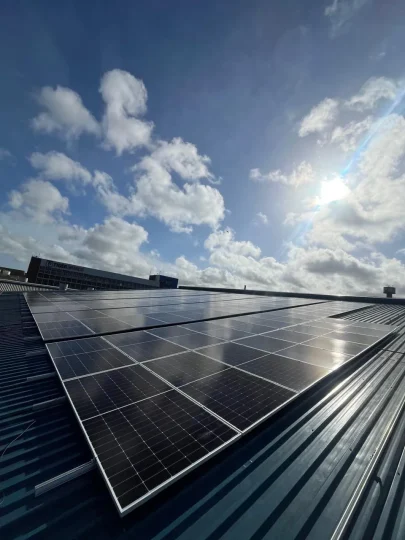
The more useful consideration is whether the solar capacity has been selected for the property and the way electricity is actually used. Simply adding panels does not solve a system-design problem if the rest of the installation has not been planned around the customer’s needs.
Your house also sets some of the boundaries
Before we recommend a system, we have to understand what the property can safely and realistically accommodate. That technical vetting starts before installation. Stage Zero’s technical assessment takes into consideration practical conditions like roof construction, orientation, and materials, before a recommendation is made. These are other reasons why a system cannot be selected purely from an electricity bill or an online calculation.
We also spend time making sure customers understand what the selected system can do. Someone may hear that a system can run appliances such as a kettle or microwave and interpret that as meaning the whole house can operate exactly as it did on grid power. Those are not necessarily the same thing.
Part of our job is therefore to clarify what can be connected to the system and where its limitations sit before it is installed. It is much better to have this conversation during the planning process than after a customer discovers that the system does not behave as they expected.
Bigger is not automatically better
There is an opposite problem as well. Customers can be sold far more capacity than they actually need because bigger sounds safer. I sometimes describe it as buying a Ferrari that never gets taken onto the track. You may own far more capability, but you have paid for something your normal electricity use does not require.
Right-sizing is about finding the appropriate system for the load profile and the customer’s expectations. Too little capacity can leave a homeowner frustrated when the system cannot handle the demand they expected it to carry. Too much can mean spending money on capacity that is rarely used.
That is why the technical assessment is so important. The technical assessment provides the information we need to specify a system that fits how the household actually uses electricity.
Start with how you actually use electricity
Your monthly electricity bill still has an important role. It gives us a starting point for understanding consumption and what solar could potentially change.
The useful information sits behind that number. We need to understand how the household uses electricity and what the customer expects from the system before deciding what should go onto the roof or into the battery.
Good solar design is ultimately about getting that fit right. A household does not need the largest system it can afford. It needs a system designed for the way households actually use power.
Not sure what your home actually needs?
Talk to our team about your electricity use and what you expect from solar. We’ll help you work out what makes sense for your home, without overselling capacity you won’t use.