How Stage Zero is helping Addo Wildlife reduce grid reliance
A safari guest sees wildlife, open landscapes, and the care that goes into a memorable stay. Behind that experience is a working operation that needs reliable electricity throughout the day and after sunset.
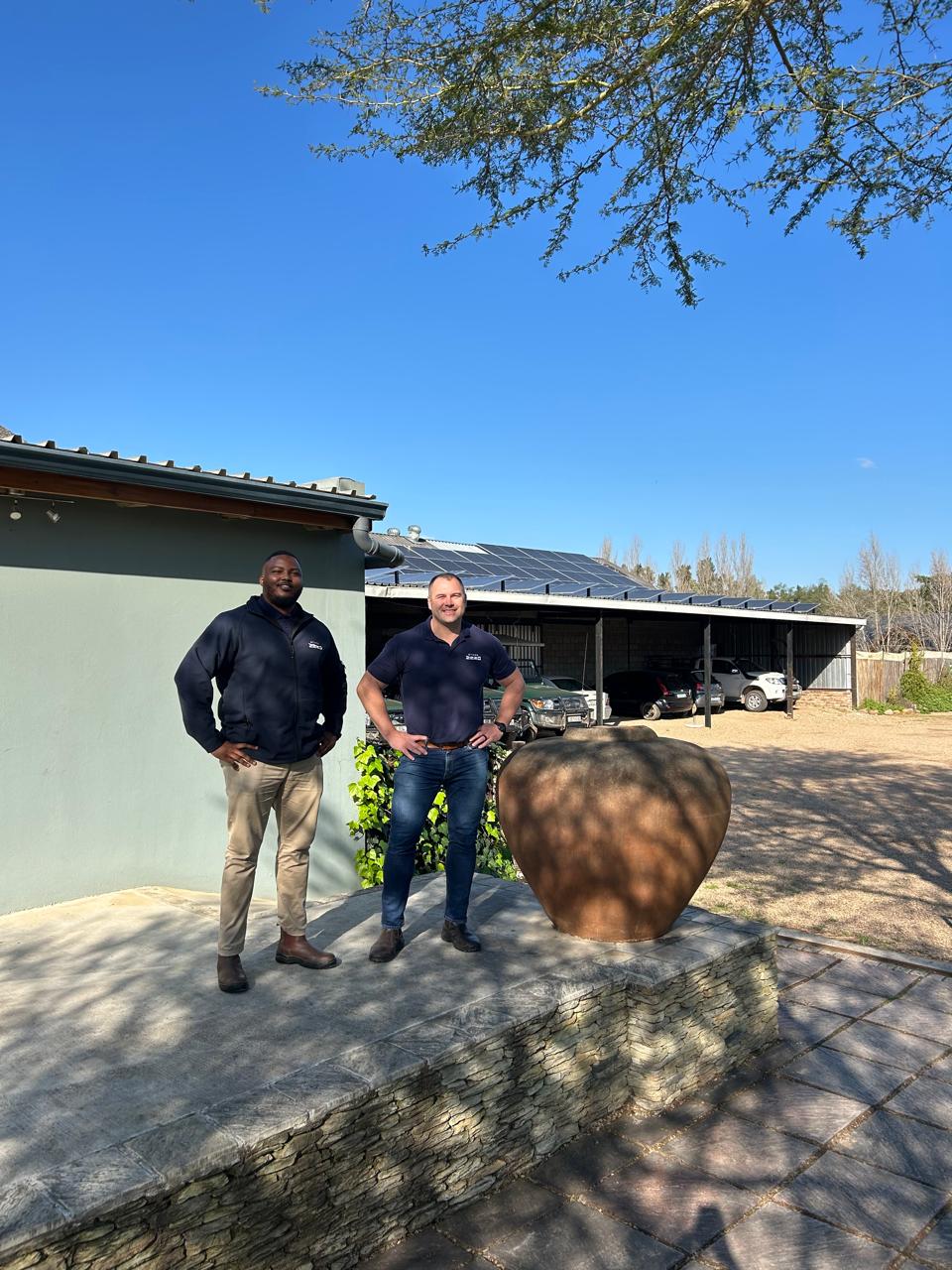
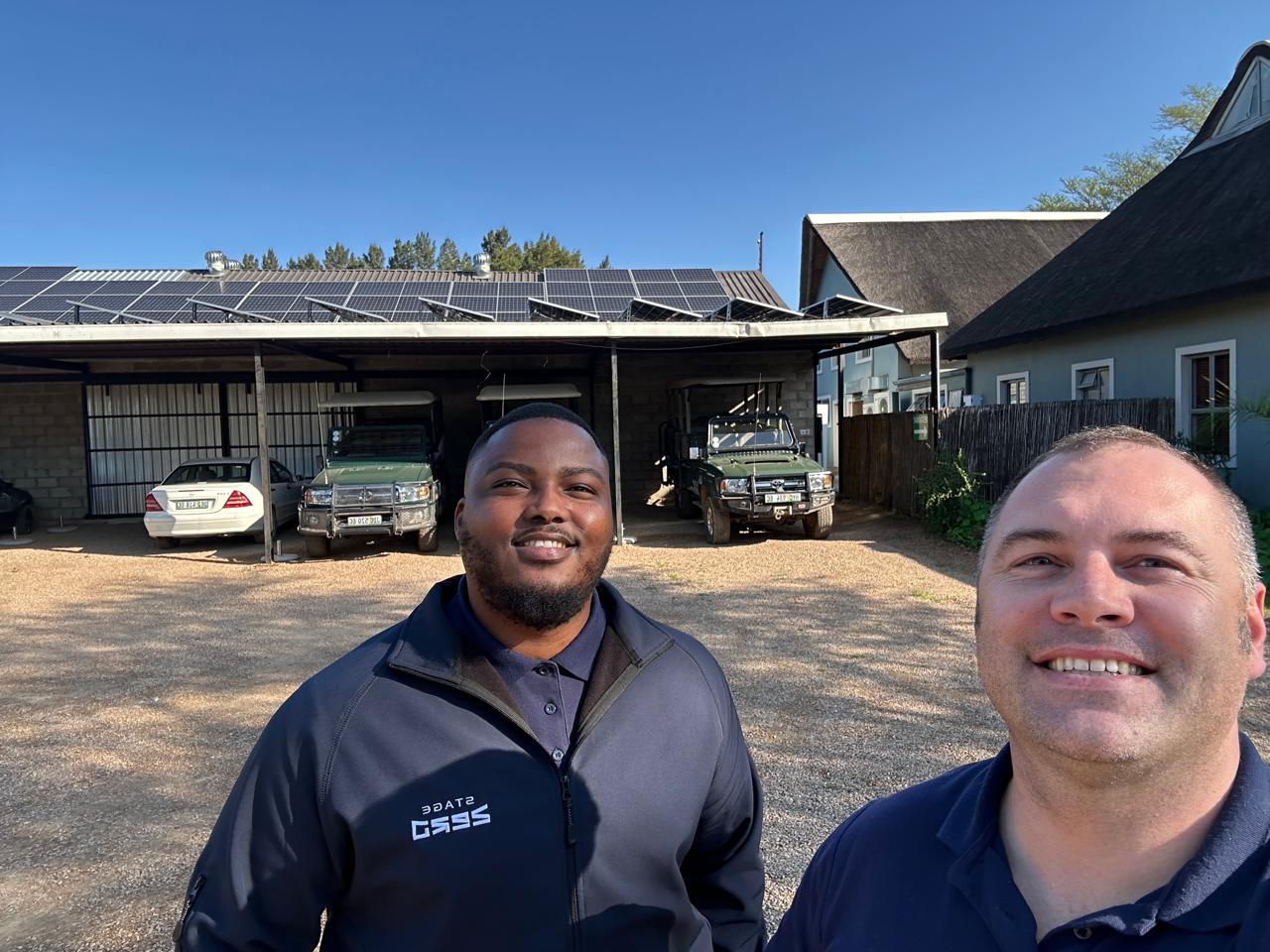
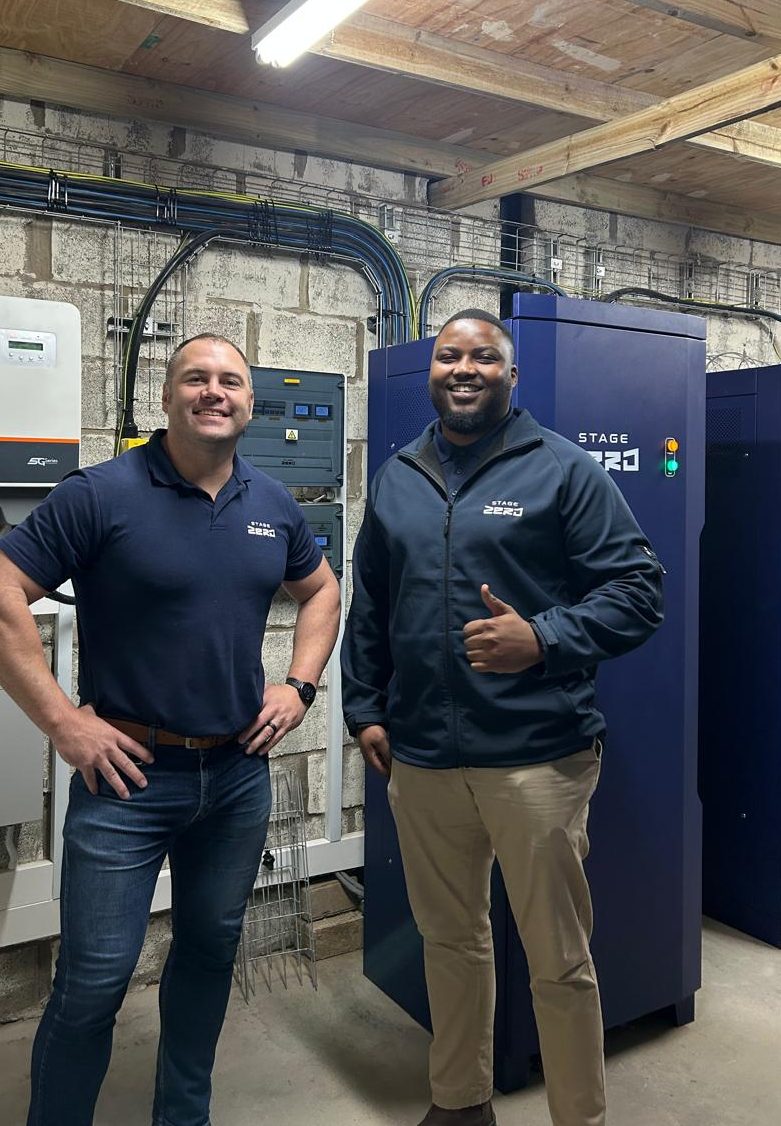
At Addo Wildlife Private Game Reserve in the Eastern Cape, a new 100kW solar and battery system from Stage Zero is helping to meet that demand by generating more electricity on site, storing energy for later use, and reducing dependence on grid supply. The installation supports the lodge, facilities, and daily operations while contributing to Addo Wildlife’s commitment to responsible tourism and environmental conservation.
A working reserve needs dependable electricity
Hospitality businesses cannot organise their operations around an unreliable grid. Guest services and everyday activity continue regardless of supply interruptions, while electricity costs remain a significant and increasingly difficult expense to manage.
For Addo Wildlife, the solution had to reflect the way the site uses electricity. The 100kW installation combines solar generation with battery storage, giving the reserve greater control over when to use solar energy and when to rely on grid support. That balance is especially valuable in a lodge environment, where demand extends beyond the hours when the sun is shining. Solar can supply more of the site’s daytime needs, while stored energy remains available after sunset and during interruptions. Grid electricity can still be used when required, preserving the flexibility needed to keep the operation running.
Using more solar across the day
Solar panels generate electricity during daylight hours, reducing the amount the reserve needs to buy from the grid. When generation exceeds immediate demand, the battery can store energy for use later.
This allows Addo Wildlife to make better use of the on-site solar resource, rather than limiting its benefit to daytime consumption. The battery also strengthens continuity when grid supply is interrupted, helping the reserve protect the experience it offers guests and the work taking place behind the scenes. Grid supply remains available as part of the reserve’s energy mix, while solar and stored energy carry more of the load. For a commercial operation, that can create a more stable energy base and lower exposure to tariff increases and supply disruption.
A managed energy solution
Commercial solar works best when the technology is matched to the operation, since capacity figures alone cannot account for operating hours, changes in demand through the day, or the level of backup required. Stage Zero delivered the Addo Wildlife project as a tailored, turnkey solution and continues to provide post-installation support.
This managed approach helps protect system performance over time and gives the reserve access to the technical expertise needed to operate the installation effectively. It also allows the Addo Wildlife team to remain focused on the reserve, its guests, and its conservation work, rather than managing the energy system themselves.
Supporting responsible tourist
Addo Wildlife’s connection to the environment is central to its identity. The reserve combines accommodation with wildlife experiences and education, making its energy choices part of a wider commitment to responsible tourism.
Using more solar-generated electricity reduces dependence on conventional grid supply and supports a lower-impact operating model. It can also help control electricity costs, allowing the reserve to direct more attention and resources towards guest comfort, wildlife conservation, and the long-term care of the property.
Sustainability claims are most credible when they are connected to practical changes in how a business operates. At Addo Wildlife, the new installation contributes to that change every day by increasing the share of electricity generated on site and reducing the reserve’s exposure to the national grid.
A practical model for tourism businesses
For Stage Zero, the aim is to make commercial solar simpler to adopt and easier to manage. The Addo Wildlife project shows what that approach looks like in practice. The reserve can now use more of the available solar energy, store energy for the hours when it is needed, and rely less on grid electricity without shouldering the technical burden alone.
That gives Addo Wildlife a stronger energy base for its guest offering, daily operations, and conservation ambitions, while demonstrating how well-designed solar and battery storage can support responsible tourism in South Africa.
The Addo Wildlife installation reflects a broader opportunity for South African tourism businesses. Reliable electricity, operating costs, and environmental responsibility are closely connected, particularly at destinations where the guest experience depends on a well-run site. Solar and battery storage can address these pressures within a single system, provided the solution is designed around actual demand and supported throughout its working life. A lodge, guest farm, hotel, or reserve may have very different electricity patterns, which is why a standard package is rarely the best place to begin.
Read more about Addo Lifestyle’s experience and discover how Stage Zero made smarter, more reliable energy simple..